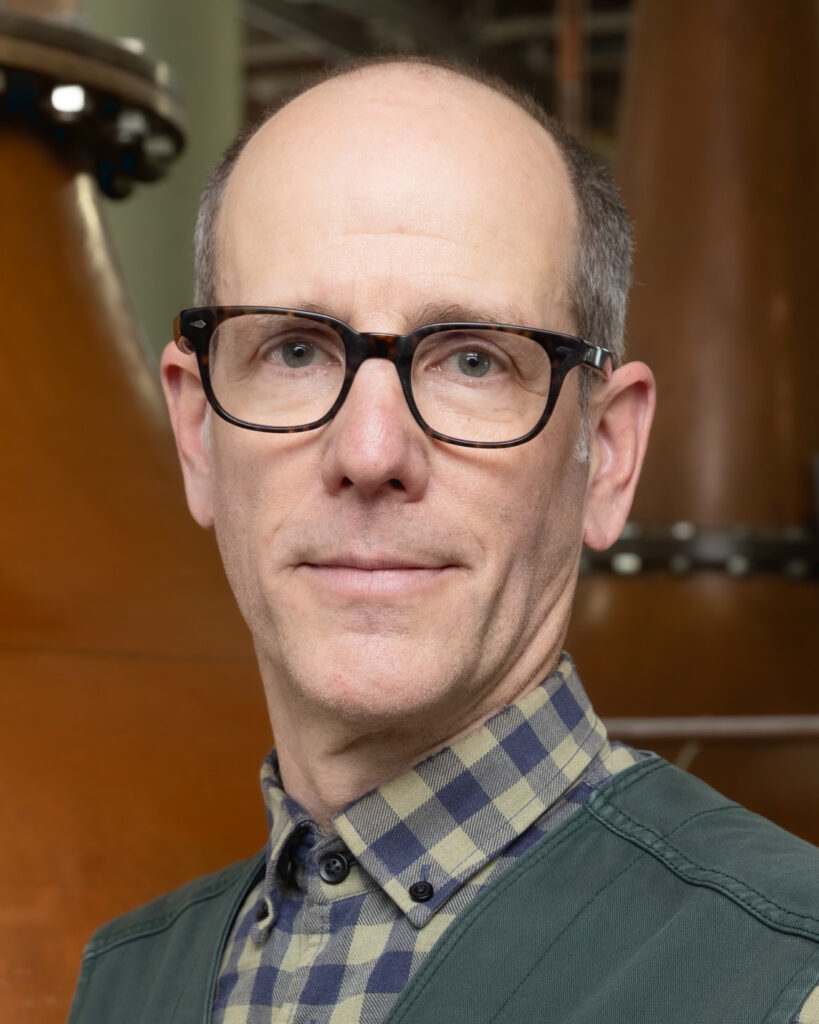
Haskell is a fully integrated design, engineering, and construction services firm, operating from over 20 strategic offices across the United States, Latin America, and Asia. Haskell leads the industry by adopting new technology, thinking big, and consistently delivering superior value for clients. We caught up with Phil Morgan, Haskell’s strategic industry advisor for beer, wine, and spirits, to discuss key challenges across the craft spirits landscape.
What does being a sponsor of ACSA mean to you personally—and how do you see your role in shaping the future of craft spirits?
Phil Morgan: Being a sponsor of ACSA is both meaningful and rewarding to me. After more than 30 years in the distilling and hospitality industries, I’ve had the opportunity to build, operate, and advise businesses across many stages of growth. As a seasoned entrepreneur now working for the Haskell Co., it gives me great pleasure to share that experience and practical knowledge with the craft spirits community.
I see my role as one of support and stewardship—helping producers navigate technical, operational, and strategic challenges while preserving the creativity and independence that define craft spirits. Supporting ACSA is a way to give back to an industry that has given me so much, and to help ensure a strong, innovative, and sustainable future for the next generation of distillers.
What do you see as the greatest challenges for craft spirits producers, and how does your company help craft spirits producers navigate those global and domestic market pressures?
Phil Morgan: The most significant challenges facing craft spirits producers today stem from rapid change. Shifts in consumer preferences, ongoing supply-chain disruptions, evolving regulations, and increasing cost pressures—both domestically and globally—have created a landscape that requires constant adjustment and flexibility. For smaller producers, navigating these changes while maintaining quality and brand identity can be especially demanding.
At Haskell, we help craft spirits producers navigate this complexity by leveraging our deep industry experience and global network of technical, operational, and commercial partners. We work closely with producers to identify practical, right-sized solutions, whether that means optimizing production systems, adapting to new market realities, or planning for future growth. Our role is to help distillers stay resilient and competitive while remaining true to what makes their brands distinctive.
What innovations or product developments from your company are most exciting for craft distillers right now?
Phil Morgan: That’s a great question, because innovation for craft distillers today is really about efficiency and resilience. As an engineering, design, and construction company, we’re focused on helping producers save time, reduce labor demands, and operate more efficiently without sacrificing quality or creativity.
Some of the most exciting developments we’re working on include next-generation bottling and canning systems designed specifically for modern craft operations, as well as advanced distillation efficiency solutions using high-temperature heat pumps (HTHP), mechanical vapor recompression (MVR), and thermal vapor recompression (TVR). These technologies can significantly reduce energy consumption and operating costs—an increasingly critical factor for producers of all sizes.
In parallel, our PLC engineering team is developing scalable, right-sized automation solutions that give craft distillers better control, consistency, and visibility across their operations. The goal is not over-automation, but smart automation—tools that support growth, improve reliability, and allow distillers to focus more of their time on making great spirits.
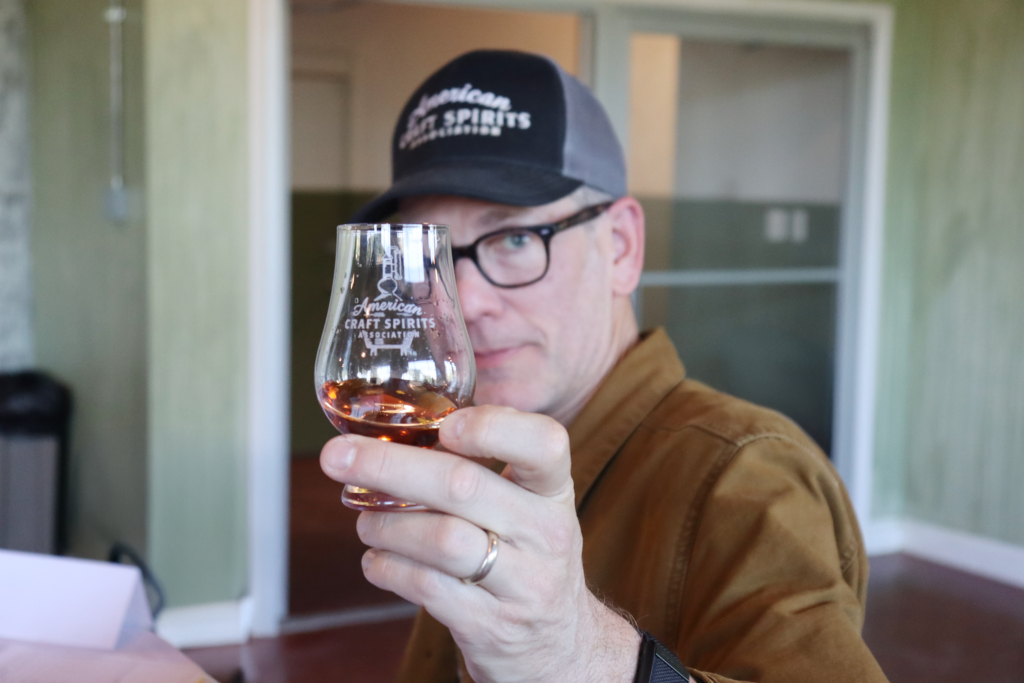
How do you support sustainability or community-driven initiatives within the craft spirits ecosystem?
Phil Morgan: Sustainability is a core focus of how we approach every project. Through advanced energy-recovery and efficiency technologies such as high-temperature heat pumps (HTHP), mechanical vapor recompression (MVR), mechanical vapor compression (MVC), and thermal vapor recompression (TVR), we can help producers reduce fossil fuel consumption by as much as 90%, depending on the application and facility design.
Whether we’re working on renovations or designing a new production facility from the ground up, our goal is to engineer modern craft distilleries with sustainability at the forefront. That means optimizing energy use, minimizing waste, and designing systems that are efficient, future-ready, and economically viable.
Beyond technology, we see sustainability as a community-driven effort. By helping craft distillers operate more responsibly and efficiently, we support the long-term health of the industry and the communities in which these producers operate—ensuring craft spirits can continue to thrive for generations to come.
What role does technology and/or e-commerce play in your strategy to support distillers?
Phil Morgan: Technology plays a central role in how we support distillers, both on the production floor and beyond it. From advanced process control and PLC-based automation to data-driven system design, we help producers gain better visibility, consistency, and control over their operations. These tools allow distillers to make informed decisions, respond quickly to changes, and operate more efficiently at any scale.
On the commercial side, digital tools and e-commerce are becoming increasingly important for brand growth and customer engagement. While our core expertise is engineering and facility design, we work alongside partners and clients to ensure production systems are flexible and scalable enough to support direct-to-consumer models, rapid product innovation, and evolving distribution strategies.
Ultimately, our approach to technology is about enabling distillers with the infrastructure and insights they need to adapt, compete, and grow in a rapidly changing marketplace.